Blog

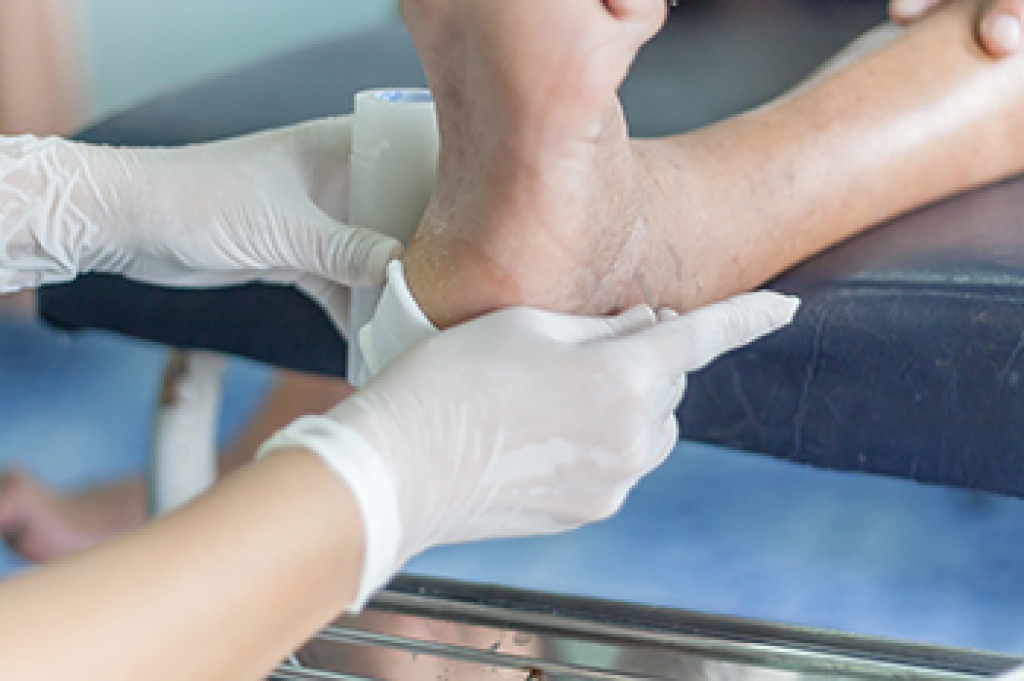
When Foot Injuries Linger and Healing Slows

Most foot wounds heal with time and proper care, but some fail to improve, despite treatment. Poor circulation is a common reason, as reduced blood flow limits oxygen and nutrient delivery needed for healing. Diabetes can also slow recovery by affecting nerves, immune response, and blood vessels, making injuries harder to feel and treat early. Ongoing pressure from walking, wearing ill-fitting shoes, or abnormal foot structure may repeatedly reopen wounds. Infection is another major factor, as bacteria can delay tissue repair and increase inflammation. Certain wounds become chronic when underlying conditions are not addressed. Skin breakdown may continue if pressure points are not offloaded, or if moisture and friction persist. Early evaluation is important to prevent complications. When a foot wound does not show signs of healing or continues to worsen, it is suggested that you see a podiatrist as quickly as possible for appropriate treatment.

Wound care is an important part in dealing with diabetes. If you have diabetes and a foot wound or would like more information about wound care for diabetics, consult with Dr. Kevin H. Lapoff from Lake Worth Podiatry. Our doctor will assess your condition and provide you with quality foot and ankle treatment.

What Is Wound Care?

Wound care is the practice of taking proper care of a wound. This can range from the smallest to the largest of wounds. While everyone can benefit from proper wound care, it is much more important for diabetics. Diabetics often suffer from poor blood circulation which causes wounds to heal much slower than they would in a non-diabetic. 

What Is the Importance of Wound Care?

While it may not seem apparent with small ulcers on the foot, for diabetics, any size ulcer can become infected. Diabetics often also suffer from neuropathy, or nerve loss. This means they might not even feel when they have an ulcer on their foot. If the wound becomes severely infected, amputation may be necessary. Therefore, it is of the upmost importance to properly care for any and all foot wounds.

How to Care for Wounds

The best way to care for foot wounds is to prevent them. For diabetics, this means daily inspections of the feet for any signs of abnormalities or ulcers. It is also recommended to see a podiatrist several times a year for a foot inspection. If you do have an ulcer, run the wound under water to clear dirt from the wound; then apply antibiotic ointment to the wound and cover with a bandage. Bandages should be changed daily and keeping pressure off the wound is smart. It is advised to see a podiatrist, who can keep an eye on it.

If you have any questions please contact our office located in Lake Worth, FL . We offer the newest diagnostic and treatment technologies for all your foot and ankle needs.

Read more about Wound Care

Important Factors for Choosing Running Shoes

Picking the right running shoes is essential for comfort, injury prevention, and performance. The outsole is the bottom layer of the shoe, and provides traction durability and grip on different surfaces. The midsole sits above the outsole and offers cushioning, shock absorption, and stability during each step. Some running shoes include a carbon plate which adds propulsion energy return and efficiency for faster running. The tread pattern affects how the shoe grips the ground and can influence control on roads, trails, or tracks. Choosing the right combination of factors depends on foot type, gait, and running goals. A podiatrist can help by evaluating foot structure, movement patterns, and training needs to recommend proper footwear or custom inserts. If you have foot pain from running shoes, it is suggested that you consult a podiatrist who can treat various foot conditions, and guide you on the right shoes to wear for your running style.

You should always make sure your running shoes fit properly in order to avoid injury. For more information, contact Dr. Kevin H. Lapoff from Lake Worth Podiatry. Our doctor can provide the care you need to keep you pain-free and on your feet.

Choosing the Right Running Shoe for Your Foot Type

Improper shoe sizing can cause a myriad of problems for your feet. Shoes that don’t fit you properly can lead to muscular imbalances in your body, which can result in foot, knee, and hip injuries.

Tips for Finding the Right Running Shoe

  • Make sure you have a thumb’s width of wiggle room between the end of your longest toe and the front of the shoe.
  • There should be little to no slipping at the heel
  • Don’t assume your size in one shoe brand will be your size in another
  • Do not lace up your shoes too tightly
  • Walk around in the store with your new shoes before you buy them

If you have any questions, please feel free to contact our office located in Lake Worth, FL . We offer the newest diagnostic and treatment technologies for all your foot care needs.

Read more about Choosing the Right Running Shoe for Your Foot Type

Athlete's Foot Explained

Athlete's foot is a common fungal infection that affects the skin of the feet, most often between the toes, where moisture collects. It occurs when fungus grows in warm, damp environments and spreads through shared surfaces and footwear. Symptoms may include itching, redness, scaling, burning, cracked skin, peeling, and possibly odor. Risk factors include excessive sweating, wearing tight shoes, poor air circulation, public showers, weakened immunity, and prolonged moisture exposure. Causes involve dermatophyte fungi that thrive on moist skin and fabrics. A podiatrist can diagnose the condition accurately, provide medical treatments, recommend proper hygiene, guide footwear choices, and help prevent recurrence. If you have symptoms of athlete’s foot, it is suggested that you consult a podiatrist who can offer effective treatment solutions, which may include prescribed medication. 

Athlete’s foot is an inconvenient condition that can be easily reduced with the proper treatment. If you have any concerns about your feet and ankles, contact Dr. Kevin H. Lapoff from Lake Worth Podiatry.  Our doctor will treat your foot and ankle needs.

Athlete’s Foot: The Sole Story

Athlete's foot, also known as tinea pedis, can be an extremely contagious foot infection. It is commonly contracted in public changing areas and bathrooms, dormitory style living quarters, around locker rooms and public swimming pools, or anywhere your feet often come into contact with other people.

Solutions to Combat Athlete’s Foot

  • Hydrate your feet by using lotion
  • Exfoliate
  • Buff off nails
  • Use of anti-fungal products
  • Examine your feet and visit your doctor if any suspicious blisters or cuts develop

Athlete’s foot can cause many irritating symptoms such as dry and flaking skin, itching, and redness. Some more severe symptoms can include bleeding and cracked skin, intense itching and burning, and even pain when walking. In the worst cases, Athlete’s foot can cause blistering as well. Speak to your podiatrist for a better understanding of the different causes of Athlete’s foot, as well as help in determining which treatment options are best for you.

If you have any questions please feel free to contact our office located in Lake Worth, FL . We offer the newest diagnostic and treatment technologies for all your foot and ankle needs.

Read more about How to Deal with Athlete's Foot

Do Your Child's Feet Hurt?

Have your child's feet been examined lately? Healthy feet are happy feet. If your child is complaining of foot pain, it may be a sign of underlying problems.

Moving Forward After a Midfoot Injury

Recovering from a Lisfranc fracture often requires patience and a structured exercise plan to restore strength and mobility. This injury, commonly caused by a fall, sports impact, or vehicle accident, may leave the midfoot swollen, bruised, or visibly altered in shape. It can feel stiff, weak, or painful, especially when pushing off or standing for long periods. A podiatrist begins by evaluating healing through physical examination and imaging, then designs a gradual rehabilitation program. Exercises may include gentle stretching to improve flexibility, strengthening movements to rebuild arch support, and balance training to restore stability. These exercises are designed to progress carefully to avoid reinjury while encouraging safe movement. Combined with proper footwear and possible orthotics, exercise plays a key role in full recovery. If you suspect a Lisfranc fracture, it is suggested that you make an appointment with a podiatrist.

A broken foot requires immediate medical attention and treatment. If you need your feet checked, contact Dr. Kevin H. Lapoff from Lake Worth Podiatry. Our doctor can provide the care you need to keep you pain-free and on your feet.

Broken Foot Causes, Symptoms, and Treatment

A broken foot is caused by one of the bones in the foot typically breaking when bended, crushed, or stretched beyond its natural capabilities. Usually the location of the fracture indicates how the break occurred, whether it was through an object, fall, or any other type of injury. 

Common Symptoms of Broken Feet:

  • Bruising
  • Pain
  • Redness
  • Swelling
  • Blue in color
  • Numbness
  • Cold
  • Misshapen
  • Cuts
  • Deformities

Those that suspect they have a broken foot shoot seek urgent medical attention where a medical professional could diagnose the severity.

Treatment for broken bones varies depending on the cause, severity and location. Some will require the use of splints, casts or crutches while others could even involve surgery to repair the broken bones. Personal care includes the use of ice and keeping the foot stabilized and elevated.

If you have any questions, please feel free to contact our office located in Lake Worth, FL . We offer the newest diagnostic and treatment technologies for all your foot care needs.

Read more about Causes, Symptoms, and Treatment for a Broken Foot
Connect with us