
Blog

Understanding What Causes Stress Fractures

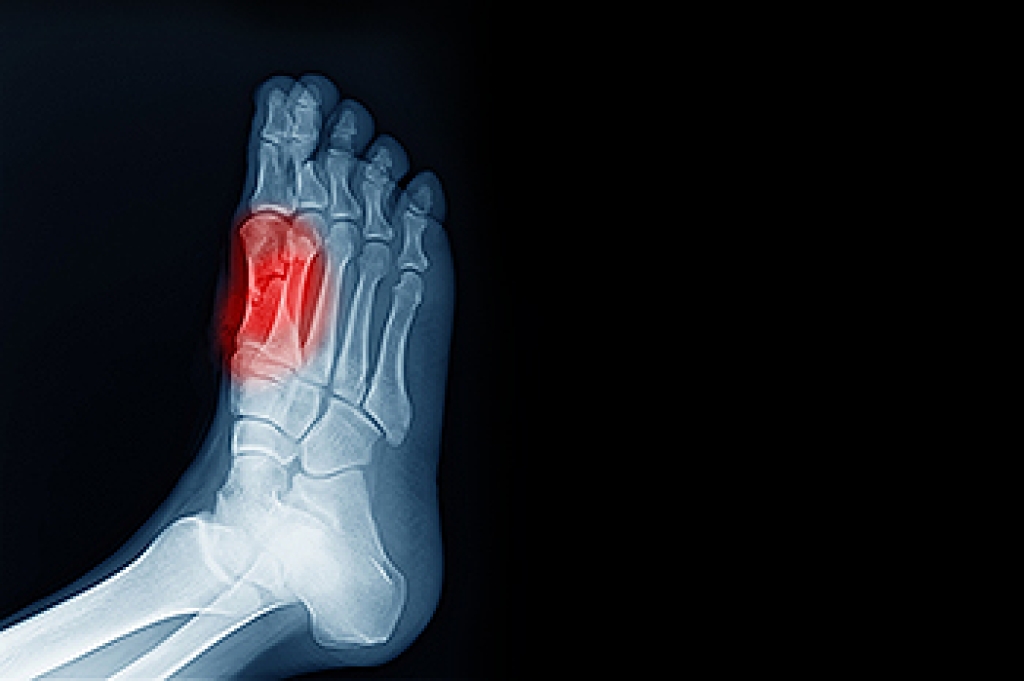
A stress fracture is a tiny crack in a bone caused by repeated pressure. In the foot, these injuries often affect the long bones that connect the toes to the middle of the foot. These bones absorb force when you push while walking or running. Pain usually begins gradually and becomes stronger with activity. The sore area may feel tender when touched. Swelling of the foot or bruising can develop. Unlike a sudden break caused by an accident, a stress fracture can develop without one clear injury. Daily movement may become painful.

A sudden change in activity is a leading cause of stress fractures. Running farther than usual or increasing exercise days can place more pressure on bones than they can handle. People who rarely walk far can also develop an injury after a busy vacation. Uneven ground adds to the risk. Changes in how the foot moves can increase risk when a bunion changes weight distribution. Shoes that lack proper support can also affect how the foot absorbs impact. A podiatrist can examine your walking pattern and identify factors contributing to the injury.

Treatment aims to protect the injured bone while it heals. A podiatrist examines the painful area and orders imaging to help confirm a stress fracture. Treatment options include a protective walking boot, crutches, or custom shoe inserts to help reduce pressure on the affected bone. A podiatrist also evaluates your shoes and may recommend a stiff-soled design that limits painful bending. Follow-up visits help track healing and guide a safe return to activity. Continuing to push through pain can delay recovery. If you have symptoms of a foot stress fracture, it is suggested that you schedule an appointment with a podiatrist for diagnosis and treatment.

Stress fractures occur when there is a tiny crack within a bone. To learn more, contact Dr. Kevin H. Lapoff from Lake Worth Podiatry. Our doctor can provide the care you need to keep you pain free and on your feet.

How Are They Caused?

Stress fractures are the result of repetitive force being placed on the bone. Since the lower leg and feet often carry most of the body’s weight, stress fractures are likely to occur in these areas. If you rush into a new exercise, you are more likely to develop a stress fracture since you are starting too much, too soon.  Pain resulting from stress fractures may go unnoticed at first, however it may start to worsen over time.

Risk Factors

  • Gender – They are more commonly found in women compared to men.
  • Foot Problems – People with unusual arches in their feet are more likely to develop stress fractures.
  • Certain Sports – Dancers, gymnasts, tennis players, runners, and basketball players are more likely to develop stress fractures.
  • Lack of Nutrients – A lack of vitamin D and calcium may weaken the bones and make you more prone to stress fractures
  • Weak Bones – Osteoporosis can weaken the bones therefore resulting in stress fractures

Stress fractures do not always heal properly, so it is important that you seek help from a podiatrist if you suspect you may have one. Ignoring your stress fracture may cause it to worsen, and you may develop chronic pain as well as additional fractures.

If you have any questions please contact our office located in Lake Worth, FL . We offer the newest diagnostic and treatment technologies for all your foot and ankle needs.

Read more about Stress Fractures of the Foot and Ankle

Foot Blisters and Their Causes

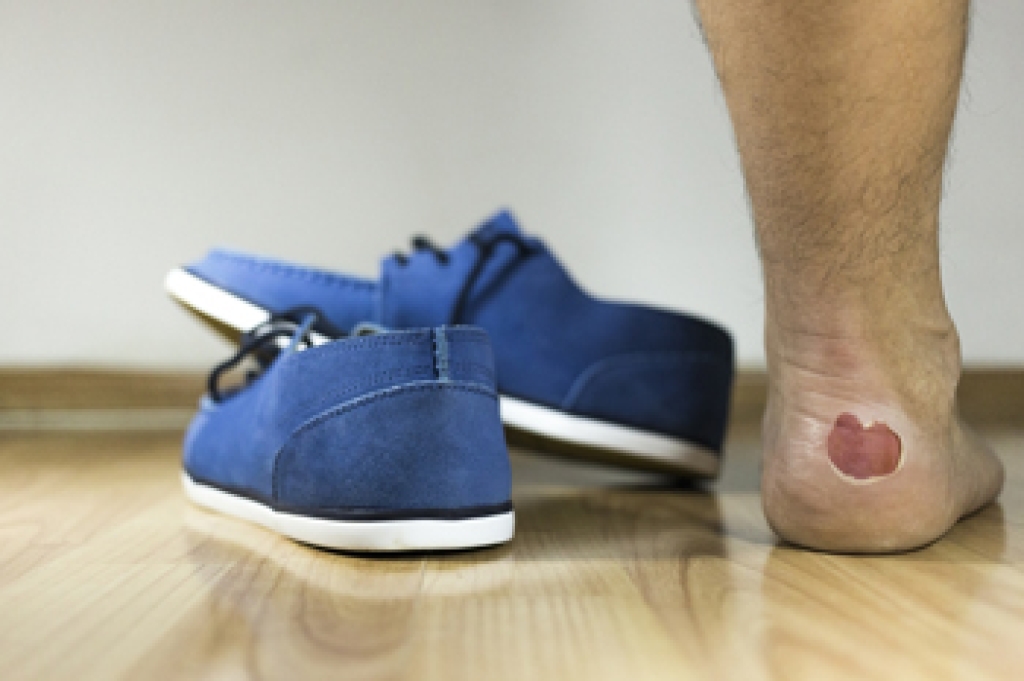
A foot blister is a small pocket of fluid that forms between layers of skin after irritation or injury. Blisters commonly develop on the heels, toes, or soles when repeated rubbing damages the skin. They can make walking uncomfortable. Although friction from shoes is common, blisters can also develop after burns, contact dermatitis, or insect bites. Knowing the cause can help protect your feet. Early care can protect damaged skin.

Friction is more likely when shoes are too tight, too loose, or poorly fitted. Heat and moisture can increase irritation. Burns may cause blisters after contact with hot surfaces or liquids. Contact dermatitis can trigger itching, redness, and fluid-filled areas after exposure to an irritating substance. An allergic reaction may cause swelling and itchy blisters. Insect bites can also produce localized swelling and blistering. Sensitive skin and sweaty feet may increase risk. 

Symptoms depend on the cause, but often include a raised area filled with clear fluid, tenderness, or itching. Pressure can increase pain. If the skin breaks, bacteria can enter and cause infection. A podiatrist can examine the blister and surrounding skin to identify the likely cause. Treatment may include protecting the area with a dressing, reducing pressure, and carefully draining a large or painful blister, when appropriate. Footwear changes may prevent recurrence. The exam can also check early for infection.

Do not intentionally pop a blister unless a podiatrist recommends it. Keep the area clean and protected while it heals. Seek prompt medical attention for spreading redness, warmth, or fever because these symptoms may indicate infection. Persistent blisters may need evaluation. If you have frequent or painful blisters on your feet, it is suggested that you consult a podiatrist for effective relief and management tips.

Blisters are prone to making everyday activities extremely uncomfortable. If your feet are hurting, contact Dr. Kevin H. Lapoff of Lake Worth Podiatry. Our doctor can provide the care you need to keep you pain-free and on your feet.

Foot Blisters

Foot blisters develop as a result of constantly wearing tight or ill-fitting footwear. This happens due to the constant rubbing from the shoe, which can often lead to pain.

What Are Foot Blisters?

A foot blister is a small fluid-filled pocket that forms on the upper-most layer of the skin. Blisters are filled with clear fluid and can lead to blood drainage or pus if the area becomes infected.

How Do Blisters Form?

Blisters on the feet are often the result of constant friction of skin and material, usually by shoe rubbing. Walking in sandals, boots, or shoes that don’t fit properly for long periods of time can result in a blister. Having consistent foot moisture and humidity can easily lead to blister formation.

Prevention & Treatment

It is important to properly care for the affected area in order to prevent infection and ease the pain. Do not lance the blister and use a Band-Aid to provide pain relief. Also, be sure to keep your feet dry and wear proper fitting shoes. If you see blood or pus in a blister, seek assistance from a podiatrist.

If you have any questions, please feel free to contact our office located in Lake Worth, FL . We offer the newest diagnostic and treatment technologies for all your foot care needs.

Read more about Blisters

Toe Pain While Walking

Toe pain ranges from a mild irritation to severe discomfort that makes it difficult to put pressure on the foot. The toes contain bones, joints, and muscles, along with tendons and ligaments that support movement. Nerves and blood vessels also pass through the toes. Problems affecting any of these structures can cause pain. Symptoms can develop suddenly after an injury or appear gradually. Toe pain also occurs with burning, numbness, or a pins-and-needles sensation. Swelling or stiffness can make walking and other daily activities more difficult.

Many conditions can lead to toe pain. Bunions cause pain around the big-toe joint, while arthritis makes toe joints sore and stiff. Corns and calluses also create painful pressure. Other causes include an ingrown toenail, a broken toe, or a sprain. Hammertoe develops when a toe stays in a bent position and can become painful when it rubs against a shoe. Nerve problems may produce burning or numbness. Persistent pain with redness, warmth, or swelling deserves prompt attention because these signs can be linked to infection or another condition.

A podiatrist examines the toes and foot to identify the source of pain. The evaluation includes checking joint movement, skin changes, and areas of tenderness. A podiatrist also determines whether foot structure or pressure from shoes is contributing to symptoms. Treatment options depend on the cause and include custom orthotics, shoe modifications, or a brace. If you have symptoms of toe pain, it is suggested that you schedule an appointment with a podiatrist for diagnosis and treatment.

Toe pain can disrupt your daily activities. If you have any concerns, contact Dr. Kevin H. Lapoff of Lake Worth Podiatry. Our doctor can provide the care you need to keep you pain-free and on your feet.

What Causes Toe Pain?

Most severe toe pain is caused due to a sports injury, trauma from dropping something heavy on the toe, or bumping into something rigid. Other problems can develop over time for various reasons.

Toe pain can be caused by one or more ailments. The most common include:

  • Trauma
  • Sports injury
  • Wearing shoes that are too tight
  • Arthritis
  • Gout
  • Corns and calluses
  • Hammertoe
  • Bunions
  • Blisters
  • Ingrown toenails
  • Sprains
  • Fractures (broken bones)
  • Dislocations

When to See a Podiatrist

  • Severe pain
  • Persistent pain that lasts more than a week
  • Signs of infection
  • Continued swelling
  • Pain that prevents walking

Diagnosis

In many cases the cause of toe pain is obvious, but in others, a podiatrist may want to use more advanced methods to determine the problem. These can range from simple visual inspections and sensation tests to X-rays and MRI scans. Prior medical history, family medical history, and any recent physical traumatic events will all be taken into consideration for a proper diagnosis.

Treatment

Treatments for toe pain and injuries vary and may include shoe inserts, padding, taping, medicines, injections, and in some cases, surgery. If you believe that you have broken a toe, please see a podiatrist as soon as possible.

If you have any questions please contact our office located in Lake Worth, FL . We offer the newest diagnostic and treatment technologies for all your foot and ankle needs.
Read more about Toe Pain

Risk Factors for Sesamoiditis

Sesamoiditis is irritation or inflammation of the two sesamoid bones beneath the big toe joint. These tiny bones help absorb pressure and support movement. Sesamoiditis causes pain under the ball of the foot, especially beneath the big toe. Discomfort may develop gradually and worsen during activity. Tenderness, swelling, and pain when bending the big toe can also occur. Pain may increase with weight-bearing and repeated push-off. This condition affects the underside of the forefoot.

Several factors can increase the risk of developing sesamoiditis. Activities that place repeated pressure on the forefoot can contribute, particularly running, dancing, or jumping. Wearing high-heeled or poorly cushioned shoes may increase stress around the sesamoids. Foot structure can affect pressure distribution and place extra stress on the sesamoids. A sudden increase in activity may trigger symptoms. Repetitive stress, direct injury, and prolonged standing are common causes. People who participate in sports requiring push-off may have a greater risk.


A podiatrist begins treatment by reviewing symptoms, activities, and history. A foot examination helps identify tenderness and pain with movement. X-rays may be recommended to check the bones and rule out a fracture. Treatment options include activity changes, wearing supportive footwear, or temporary immobilization when appropriate. Medication may help control pain, when appropriate. Activity is gradually adjusted as healing progresses, helping prevent a flare-up.


Sesamoiditis can improve when repeated stress is addressed early. Wearing comfortable shoes with adequate cushioning and avoiding painful activities can help protect the area during recovery. Do not ignore persistent pain beneath the big toe, especially when walking becomes difficult. A podiatrist can determine whether sesamoiditis is responsible for your symptoms and create a treatment plan suited to your needs. If you have symptoms of sesamoiditis, it is suggested that you consult a podiatrist for an accurate diagnosis and appropriate treatment.

Sesamoiditis is an unpleasant foot condition characterized by pain in the balls of the feet. If you think you’re struggling with sesamoiditis, contact Dr. Kevin H. Lapoff of Lake Worth Podiatry. Our doctor will treat your condition thoroughly and effectively.

Sesamoiditis

Sesamoiditis is a condition of the foot that affects the ball of the foot. It is more common in younger people than it is in older people. It can also occur with people who have begun a new exercise program, since their bodies are adjusting to the new physical regimen. Pain may also be caused by the inflammation of tendons surrounding the bones. It is important to seek treatment in its early stages because if you ignore the pain, this condition can lead to more serious problems such as severe irritation and bone fractures.

Causes of Sesamoiditis

  • Sudden increase in activity
  • Increase in physically strenuous movement without a proper warm up or build up
  • Foot structure: those who have smaller, bonier feet or those with a high arch may be more susceptible

Treatment for sesamoiditis is non-invasive and simple. Doctors may recommend a strict rest period where the patient forgoes most physical activity. This will help give the patient time to heal their feet through limited activity. For serious cases, it is best to speak with your doctor to determine a treatment option that will help your specific needs.

If you have any questions, please feel free to contact our office located in Lake Worth, FL . We offer the newest diagnostic and treatment technologies for all your foot care needs.

Read more about Sesamoiditis

Heel Pain Can Be Treated!

Do you suffer from heel pain when you get up in the morning? If so, you should seek professional help and have a proper diagnosis performed. Heel pain can be caused by several different foot-related conditions.

Blog Archives

Connect with us