
Blog

Healthy Feet for Older Adults

Healthy feet play an important role in staying active, independent, and safe as people grow older. Aging can change the joints, muscles, and bones of the feet, making them more vulnerable to pain and injury. The skin often becomes thinner and drier, while the natural padding on the bottom of the feet gradually decreases. These changes can make standing and walking less comfortable. Arthritis, poor circulation, and changes in foot shape also can increase the risk of foot problems. Symptoms include pain, stiffness, and difficulty while walking. Some older adults also notice balance problems or reduced feeling in their feet, which can increase the risk of falls. Regular foot care helps identify these concerns before they become more serious.

A podiatrist performs a detailed examination to evaluate the overall health of the feet. The evaluation includes checking the skin, toenails, and circulation. They may also look at foot structure, and joint movement. The podiatrist also observes how the patient stands and walks because changes in gait can increase pressure on certain areas of the feet. Gait is the body's walking pattern. The examination also looks for corns, calluses, and other conditions that can affect comfort and stability. Early diagnosis allows treatment to begin before foot problems interfere with mobility or independence. Routine podiatry visits also help monitor changes that naturally occur with aging.

Professional foot care focuses on maintaining comfort, improving stability, and protecting long-term foot health in older adults. A podiatrist can safely treat corns, fungal nail infections, and ingrown toenails before they become more painful. Care also includes custom orthotics that improve foot alignment and distribute pressure more evenly. The podiatrist can recommend shoes that fit properly and provide good support to improve comfort while walking. Regular follow-up visits help monitor foot health and reduce the risk of falls caused by painful foot conditions. Healthy feet support better balance, greater confidence, and continued independence. If you have symptoms of foot pain or other foot problems, it is suggested that you schedule an appointment with a podiatrist for diagnosis and treatment.

Proper foot care is something many older adults forget to consider. If you have any concerns about your feet and ankles, contact Dr. Kevin H. Lapoff from Lake Worth Podiatry. Our doctor can provide the care you need to keep you pain-free and on your feet.

The Elderly and Their Feet

As we age we start to notice many changes in our body, but the elder population may not notice them right away. Medical conditions may prevent the elderly to take notice of their foot health right away. Poor vision is a lead contributor to not taking action for the elderly.

Common Conditions 

  • Neuropathy – can reduce feeling in the feet and can hide many life-threatening medical conditions.
  • Reduced flexibility – prevents the ability of proper toenail trimming, and foot cleaning. If left untreated, it may lead to further medical issues.
  • Foot sores – amongst the older population can be serious before they are discovered. Some of the problematic conditions they may face are:
  • Gouging toenails affecting nearby toe
  • Shoes that don’t fit properly
  • Pressure sores
  • Loss of circulation in legs & feet
  • Edema & swelling of feet and ankles

Susceptible Infections

Diabetes and poor circulation can cause general loss of sensitivity over the years, turning a simple cut into a serious issue.

If you have any questions, please feel free to contact our office located in Lake Worth, FL . We offer the newest diagnostic and treatment technologies for all your foot care needs.

Read more about Taking Care of Elderly Feet

Recognizing Diabetic Neuropathy Symptoms

Diabetic neuropathy is a nerve condition that develops when high blood sugar levels damage the nerves, most often in the feet. It may appear as tingling, burning, numbness, or sharp pain that can worsen over time. Some people notice a loss of sensation, which makes it difficult to feel cuts, blisters, or pressure. Causes are linked to long-term diabetes, poor blood sugar control, and reduced circulation. Risk factors include the duration of diabetes, age, and other health conditions that affect nerve health. A podiatrist plays a key role in identifying early signs through detailed exams and sensory testing. They can help manage complications, monitor skin and nail health, and create a plan to prevent serious issues such as ulcers or infection. If you have diabetes, it is strongly suggested that you are under the care of a podiatrist who can treat foot neuropathy, and help you to manage this serious condition.

Neuropathy

Neuropathy can be a potentially serious condition, especially if it is left undiagnosed. If you have any concerns that you may be experiencing nerve loss in your feet, consult with Dr. Kevin H. Lapoff from Lake Worth Podiatry. Our doctor will assess your condition and provide you with quality foot and ankle treatment for neuropathy.

What Is Neuropathy?

Neuropathy is a condition that leads to damage to the nerves in the body. Peripheral neuropathy, or neuropathy that affects your peripheral nervous system, usually occurs in the feet. Neuropathy can be triggered by a number of different causes. Such causes include diabetes, infections, cancers, disorders, and toxic substances.

Symptoms of Neuropathy Include:

  • Numbness
  • Sensation loss
  • Prickling and tingling sensations
  • Throbbing, freezing, burning pains
  • Muscle weakness

Those with diabetes are at serious risk due to being unable to feel an ulcer on their feet. Diabetics usually also suffer from poor blood circulation. This can lead to the wound not healing, infections occurring, and the limb may have to be amputated.

Treatment

To treat neuropathy in the foot, podiatrists will first diagnose the cause of the neuropathy. Figuring out the underlying cause of the neuropathy will allow the podiatrist to prescribe the best treatment, whether it be caused by diabetes, toxic substance exposure, infection, etc. If the nerve has not died, then it’s possible that sensation may be able to return to the foot.

Pain medication may be issued for pain. Electrical nerve stimulation can be used to stimulate nerves. If the neuropathy is caused from pressure on the nerves, then surgery may be necessary.

If you have any questions, please feel free to contact our office located in Lake Worth, FL . We offer the newest diagnostic and treatment technologies for all your foot care needs.

Read more about Neuropathy

Ankle Pain and the Role of Proper Footwear

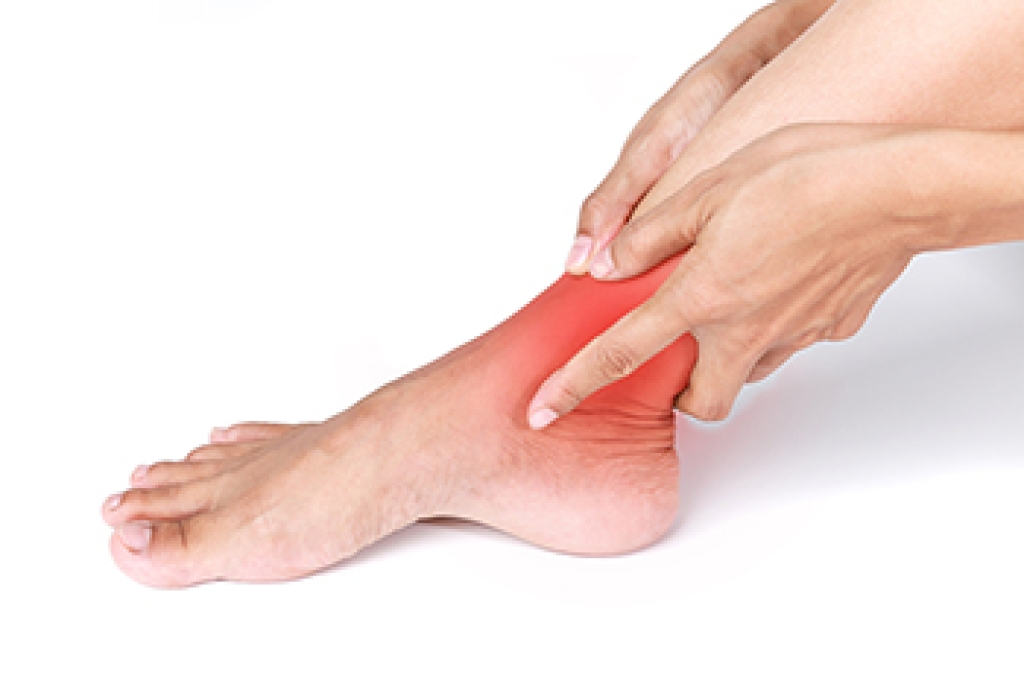
Ankle pain affects people of all ages and activity levels. The ankle joint is a complex structure where the tibia, fibula, and talus bones meet to allow movement, such as walking, running, and balancing. Because this joint supports body weight and absorbs impact, it is highly vulnerable to strain and injury. Ankle pain can develop suddenly from trauma or gradually from repetitive stress. Understanding how the ankle functions and what contributes to discomfort can help guide effective treatment and prevention strategies.

Symptoms of ankle pain vary depending on the underlying cause. Individuals may experience swelling, stiffness, and tenderness surrounding the joint. Pain may worsen with movement or weight bearing, making it difficult to walk or stand for long periods of time. In cases of injury such as twisting or rolling the ankle, bruising and instability may occur. Some people report a feeling of weakness or reduced range of motion. These symptoms can interfere with daily activities and may indicate a more serious condition if they persist.


Footwear plays a significant role in ankle health. Wearing shoes that are too tight, too loose, or poorly designed can place uneven pressure on the ankle joint. Wearing the wrong size can alter alignment and increase strain on surrounding ligaments and tendons. High heels, worn out soles, and shoes without proper support can contribute to instability and increase the risk of twisting injuries. Over time, wearing improper footwear can lead to chronic ankle pain and reduced mobility. Selecting well-fitting shoes with proper arch support and cushioning is essential for maintaining joint health.


Risk factors for ankle pain include physical activity, previous injuries, and environmental hazards. Uneven surfaces, sudden changes in direction, and wearing inadequate footwear increase the likelihood of twisting the ankle. Individuals who participate in sports or stand for extended periods of time may experience added stress on the joint. Treatment options depend on the cause but often include rest, compression, and supportive footwear. If you have ankle pain, it is suggested you consult a podiatrist for an accurate diagnosis and appropriate treatment.

Ankle pain can be caused by a number of problems and may be potentially serious. If you have ankle pain, consult with Dr. Kevin H. Lapoff from Lake Worth Podiatry. Our doctor will assess your condition and provide you with quality foot and ankle treatment.

Ankle pain is any condition that causes pain in the ankle. Due to the fact that the ankle consists of tendons, muscles, bones, and ligaments, ankle pain can come from a number of different conditions.

Causes

The most common causes of ankle pain include:

  • Types of arthritis (rheumatoid, osteoarthritis, and gout)
  • Ankle sprains
  • Broken ankles
  • Achilles tendonitis
  • Achilles tendon rupture
  • Stress fractures
  • Bursitis
  • Tarsal tunnel syndrome
  • Plantar fasciitis

Symptoms

Symptoms of ankle injury vary based upon the condition. Pain may include general pain and discomfort, swelling, aching, redness, bruising, burning or stabbing sensations, and/or loss of sensation.

Diagnosis

Due to the wide variety of potential causes of ankle pain, podiatrists will utilize a number of different methods to properly diagnose ankle pain. This can include asking for personal and family medical histories and of any recent injuries. Further diagnosis may include sensation tests, a physical examination, and potentially x-rays or other imaging tests.

Treatment

Just as the range of causes varies widely, so do treatments. Some more common treatments are rest, ice packs, keeping pressure off the foot, orthotics and braces, medication for inflammation and pain, and surgery.

If you have any questions please feel free to contact our office located in Lake Worth, FL . We offer the newest diagnostic tools and technology to treat your foot and ankle needs.

Read more about Ankle Pain

Sever’s Disease in Active Children

Sever’s disease, also known as calcaneal apophysitis, is a common cause of heel pain in growing children and adolescents. It occurs when the growth plate in the heel becomes inflamed due to repetitive stress and tension from the Achilles tendon. This condition is most often seen in physically active children who participate in running or jumping sports. During growth spurts, bones can grow faster than muscles and tendons, which increases strain on the heel. This imbalance leads to irritation and discomfort that can affect mobility and performance in daily and athletic activities.

Symptoms of Sever’s disease include heel pain that worsens with activity and improves with rest. Children may complain of soreness at the back or bottom of the heel, especially after sports. Tenderness, mild swelling, and stiffness are also common. Some children may walk on their toes or limp to avoid placing pressure on the heel. Recognizing these symptoms early is important to prevent worsening pain and to support proper healing during active growth phases.


Risk factors include participation in high-impact sports, rapid growth periods, and tight calf muscles that increase tension on the heel. Improper footwear that lacks cushioning or support can further contribute to stress on the growth plate. Flat feet or high-arched foot structure may also affect how weight is distributed, increasing strain on the heel. These combined factors make active children more vulnerable to this condition, especially during periods of increased activity or training intensity.


Relief from Sever’s disease focuses on reducing stress on the heel and allowing the growth plate to recover. Rest, activity modification, and stretching of the calf muscles are essential components of care. Supportive footwear and heel cushions can help absorb shock and reduce discomfort. Early treatment helps prevent prolonged pain and supports a safe return to activity. If your child has heel pain, it is suggested that you consult a podiatrist who can accurately diagnose Sever’s disease and provide effective relief tips.

Sever's disease often occurs in children and teens. If your child is experiencing foot or ankle pain, see Dr. Kevin H. Lapoff from Lake Worth Podiatry. Our doctor can treat your child’s foot and ankle needs.

Sever’s Disease

Sever’s disease is also known as calcaneal apophysitis, which is a medical condition that causes heel pain I none or both feet. The disease is known to affect children between the ages of 8 and 14.

Sever’s disease occurs when part of the child’s heel known as the growth plate (calcaneal epiphysis) is attached to the Achilles tendon. This area can suffer injury when the muscles and tendons of the growing foot do not keep pace with bone growth. Therefore, the constant pain which one experiences at the back of the heel will make the child unable to put any weight on the heel. The child is then forced to walk on their toes.

Symptoms

Acute pain – Pain associated with Sever’s disease is usually felt in the heel when the child engages in physical activity such as walking, jumping and or running.

Highly active – Children who are very active are among the most susceptible in experiencing Sever’s disease, because of the stress and tension placed on their feet.

If you have any questions, please feel free to contact our office located in Lake Worth, FL . We offer the newest diagnostic and treatment technologies for all your foot care needs.

Read more about Sever's Disease
Connect with us